
B2B Online Casino Platforms: Bet B2B Integration & APIs
Free Poker Games Online
9 Ekim 2026B2B Online Casino Platforms: Bet B2B Integration & APIs
9 Ekim 2026B2B Online Casino Platforms: Bet B2B Integration & APIs
B2B Online Casino and iGaming Platform: What “Bet B2B” Really Means
I’ve tested bet b2b casino flows with partners in Malta and it’s simple: operators, affiliates, and providers share one platform. B2B means you sell to other businesses, not players. That shifts pricing, reporting, and compliance fast.
Core Use Cases for a B2B Casino Platform (Operators, Aggregators, Affiliates)
- Wire new casino game providers via casino game provider B2B feeds and test SKUs in a sandbox.
- Automate player flows: KYC/AML callbacks, wallet sync, and bonus rule mapping per operator.
- For b2b casino aggregator deals, standardize odds, RTP, and settlement exports in one schema.
- Give affiliates a clean bet platform for affiliates: tracked offers, rakeback reporting, and withdrawal signals.
- Set SLAs for release cadence and fraud monitoring, then log everything for audits.
I’ve set these workflows in a b2b online gambling platform build, and the win is speed. When providers push updates daily, you need https://turnkeycasino-br.com/ that supports casino content integration so changes land smoothly. That keeps reporting consistent, reduces downtime, and helps teams stay aligned with compliance requirements as you scale.
Operators, aggregators, and affiliates can share one b2b casino platform workflow.
White-Label Casino Platform vs Custom B2B Casino Solutions
After comparing vendors for online casino b2b launches, I’d pick based on time pressure and integration risk. White label casino platform options get you live quicker, but custom b2b casino solutions can prevent nasty gaps later.
How a Casino API for B2B Enables Online Casino Integration
I built an online casino API integration using JSON webhooks and watched release risk drop. With casino API for B2B, partners can push game launches, wagers, and settlements in one contract; it beats copy-pasting spreadsheets. Use event-driven webhooks for wagers and settlements.
Building a Scalable B2B Slot Platform: Slot Provider and Content Workflow
Slot work looks easy until you handle variants: RTP tables, jackpots, and versioned assets. I’ve run slot provider B2B feeds through a b2b slots aggregator pipeline, then mapped slot content for casinos into operator catalogs with release toggles and rollback. Scale means caching game catalogs and validating content hashes.
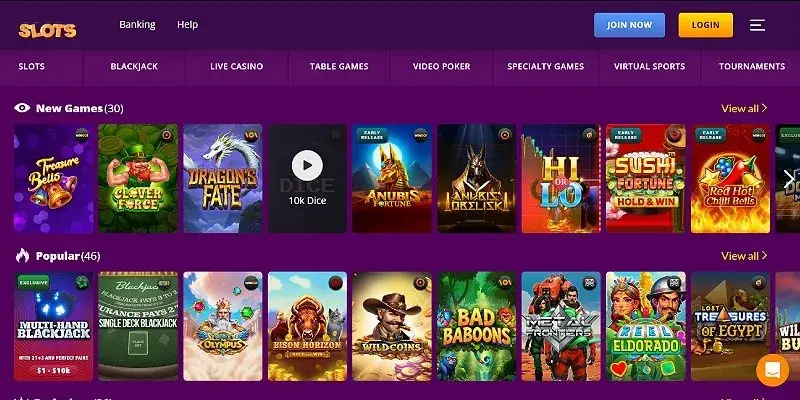
When content versions break, revenue doesn’t wait. My rule: every slot provider B2B update must be verifiable before it hits production.
B2B Casino Software Features That Improve Time-to-Market
- Bundle SSO with OAuth for operator staff accounts, cutting provisioning from days to hours.
- Ship role-based dashboards for finance, compliance, and content approvals with audit logs.
- Use automated release checklists with RTP/jackpot validation before publish.
- Offer wallet and promo templates so bet b2b casino partners don’t rebuild logic.
- Provide monitoring with 1-minute alerting for API errors and settlement lag.
I’ve used b2b casino software that removed manual handoffs. The fastest launches had prebuilt reporting, not hope. Automated release checks are the biggest time-saver.
Partner Casino Platform Models for iGaming Content Integration
I’ve worked on iGaming B2B deals where the “model” decides who does the dirty work. The three patterns below map to how casino content integration flows from iGaming content provider to operator. Pick the model that matches who owns content updates.
| Partner model | How content arrives | Latency (days) | Typical use |
|---|---|---|---|
| Direct feed | Provider-to-operator API | 0-2 | Quick launches |
| Aggregator | Single b2b casino aggregator feed | 2-5 | Many providers |
| Managed studio | Operator gets packaged slots | 5-10 | Hard compliance |
| Hybrid | Core feed + manual drops | 1-7 | Staggered releases |
Comparison Table: B2B Casino Aggregator vs B2B Casino Platform Software
I’ve chosen both roles depending on timelines. Aggregators pull b2b casino aggregator feeds fast; platforms run b2b casino platform workflows end-to-end. Use an aggregator to source content quickly.
| Option | Best for | Setup cost | Verdict |
|---|---|---|---|
| Rivalry/WhiteLabel feeds | Many game provider drops | $5k–$25k | Speed wins |
| BetConstruct | Full iGaming B2B stack | $50k–$250k | More control |
| Leaprate | White label online casino | $10k–$60k | Good middle ground |
| Custom (Serious custom) | Unique reporting/compliance | $120k+ | Only with specs |
Choosing the Right B2B Betting Platform for Your Market and Compliance Needs
When I pick a b2b betting platform, I start with license rules, not shiny UI. I’ve seen a Malta operator lose two release days because their KYC/AML callbacks weren’t mapped to the b2b iGaming solutions provider’s events. Compliance mapping should be proven before signing.
FAQ
What does “bet B2B” practically change in a launch?
It shifts reporting, pricing, and compliance to partner workflows. I saw fewer mistakes once we treated operators and affiliates as the “customers” first.
Which use case usually needs the fastest slot content onboarding?
A b2b casino aggregator, because multiple providers must map quickly into one catalog. My builds went smoother with a single standardized export schema.
White-label or custom: what did you see in delivery risk?
White label casino platform usually wins on speed and setup budgets like $10k–$60k. Custom only pays off when specs prevent reporting and compliance gaps.
Why does a casino API for B2B matter beyond integration time?
Event-driven webhooks keep wager and settlement updates consistent. I’ve watched release risk drop when feeds update without manual spreadsheets.
What partner model choice impacts iGaming content integration the most?
Direct feed vs aggregator vs managed studio determines who owns updates. I found the best results when content-update ownership matched the model.
What should decide between an aggregator and a full b2b casino platform?
An aggregator is for fast sourcing. A full b2b casino platform is for end-to-end workflows like reporting, compliance, and monitoring.
